

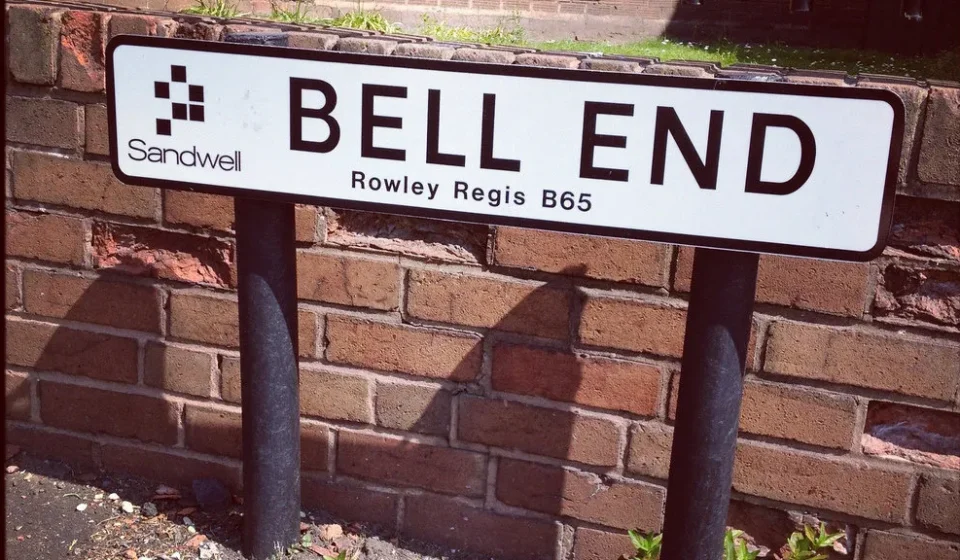

Britain is full of towns, villages and hamlets with names that can make visitors stop and look twice. Some sound amusing to modern ears, while others appear almost impossible to pronounce. Yet behind many of these unusual names are stories stretching back hundreds, and sometimes more than a thousand, years.
Place names offer a fascinating glimpse into the country’s past. They reveal how people described their surroundings, which languages were spoken and how settlements developed long before modern maps existed.
How Britain’s Place Names Developed
Many British place names have origins in Old English, Old Norse, Welsh, Gaelic or other languages spoken throughout the country’s history.
Before standardised spelling became widespread, names were often recorded differently depending on who was writing them. Pronunciation also changed over generations, sometimes leaving modern spellings that bear little resemblance to the original words.
Common endings such as -ton, -ham, -by and -thorpe provide clues about a settlement’s origins.
The ending -ton frequently comes from an Old English word associated with an enclosure or settlement, while -by is commonly linked to Old Norse and can indicate a farmstead or village.
These linguistic patterns are particularly useful when exploring the influence of different communities across Britain.
The Curious Case of Great Snoring and Little Snoring
Norfolk is home to two villages with names that regularly attract attention: Great Snoring and Little Snoring.
Despite their modern associations with sleeping noises, the names have a much older explanation.
They are generally understood to derive from an early personal name associated with the original settlement, rather than anything connected with snoring.
The distinction between Great and Little reflects the relative size or importance of the neighbouring communities.
What now sounds humorous was once simply a practical way of identifying two places.
The villages also demonstrate how names can survive long after their original meanings have been forgotten.
Why Westward Ho! Has an Exclamation Mark
One of Britain’s most distinctive place names belongs to Westward Ho!, a seaside village in Devon.
Unlike most settlements, its name comes from a work of literature.
The village was developed during the nineteenth century and took its name from Charles Kingsley’s 1855 novel Westward Ho!, which helped generate interest in the area.
The exclamation mark is part of the official place name, making it an unusual sight on road signs and maps.
It is a reminder that not every British place name originated in the distant medieval past. Some emerged through tourism, commercial development and changing cultural interests.
The Story Behind Mousehole
Mousehole, a picturesque fishing village in Cornwall, is another name that often catches the attention of visitors.
Its pronunciation can surprise people unfamiliar with the area, as it is traditionally pronounced approximately as “Mowzel”.
The precise origin of the name is not entirely certain, although explanations have included references to a small opening or harbour entrance.
Like many coastal settlements, Mousehole developed around fishing and maritime activity.
Its name has become closely associated with Cornwall’s distinctive local identity, illustrating how pronunciation and spelling can preserve regional traditions.
Viking Influences Across Northern England
Parts of northern and eastern England contain numerous place names reflecting Scandinavian settlement.
Yorkshire, Lincolnshire and surrounding areas have particularly strong concentrations of names ending in -by and -thorpe.
Whitby, for example, contains the Old Norse element by, meaning a settlement or farm.
Grimsby is another well-known example, traditionally interpreted as a settlement associated with a person named Grim.
These names provide evidence of the lasting cultural influence of Scandinavian communities.
Even where the original buildings and settlement layouts have disappeared, the names remain embedded in everyday geography.
When Names Change Their Meaning
Some place names become unusual because the language around them changes.
A word that once described a landscape feature, occupation or family connection may acquire an entirely different meaning centuries later.
Other names have been shortened, altered or misunderstood through repeated use.
Local pronunciation can preserve older linguistic features that are no longer obvious from the spelling.
This helps explain why apparently straightforward names sometimes have surprising histories.
It also means that popular explanations are not always accurate. Folk etymologies can develop when people attempt to interpret unfamiliar words using modern language.
What Place Names Tell Us About the Past
Studying place names is about more than discovering amusing signs.
They can reveal former woodlands, rivers, farms, religious sites and historic boundaries.
Names may also indicate the movement of people, the influence of different languages and the ways communities understood their surroundings.
For historians and linguists, they are valuable pieces of evidence that can be considered alongside archaeological discoveries and written records.
For everyone else, they offer another way to appreciate familiar landscapes.
The next time an unusual place name appears on a road sign, it may be worth looking beyond its modern meaning. There could be centuries of history hidden in just a few words.